
Multiple Sclerosis: Symptoms, Diagnosis, and Modern Therapies
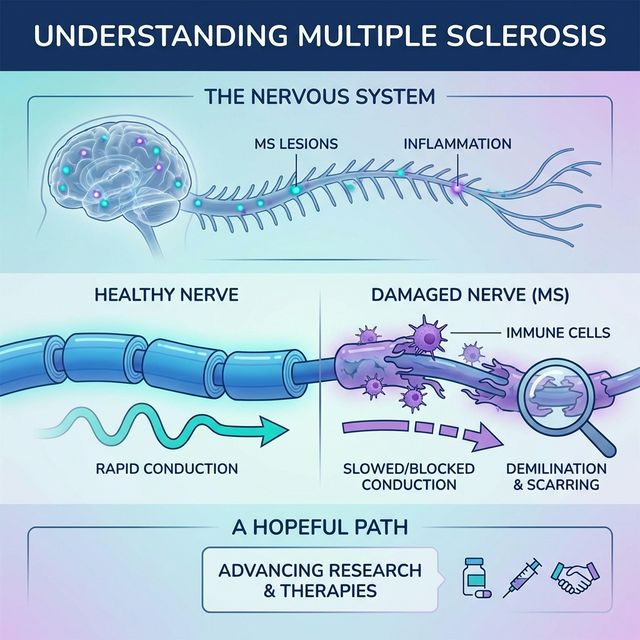
Multiple Sclerosis (MS) is an unpredictable autoimmune disease where the immune system attacks myelin—the protective sheath covering nerve fibers—disrupting brain-body communication.
Common symptoms include debilitating fatigue, numbness or tingling in limbs, vision problems (optic neuritis), muscle weakness and spasms, balance and coordination issues, cognitive changes, and bladder dysfunction. Symptoms vary widely between individuals and may fluctuate in relapsing-remitting MS, the most common form.
Diagnosis requires evidence of central nervous system damage in multiple locations and times. Neurologists utilize MRI scans showing characteristic lesions, lumbar puncture detecting oligoclonal bands, evoked potential tests measuring nerve signals, and comprehensive neurological examination.
Disease-modifying therapies (DMTs) have revolutionized MS care. Options include injectable medications (interferons, glatiramer acetate), oral therapies (fingolimod, dimethyl fumarate), infusion treatments (natalizumab, ocrelizumab), and high-efficacy options for aggressive disease. These medications reduce relapse rates, slow disability progression, and decrease new brain lesions.
Living well with MS involves regular exercise improving strength and mood, physical therapy maintaining mobility, occupational therapy adapting daily activities, comprehensive symptom management addressing fatigue, spasticity, and pain, mental health support, and vitamin D supplementation.
With modern treatments, most people with MS maintain good quality of life, continue working, and enjoy meaningful activities. The prognosis has dramatically improved over recent decades.
For expert MS management and latest treatment options, schedule a consultation today.
Need Expert Neurological Care?
Dr. Bipan K Sharma provides comprehensive evaluation and treatment for all neurological conditions. Schedule a consultation today.
Book Appointment